Hi NLG Homies!
My name is Emma Howland-Bolton and I am a proud public school teacher and legal worker in the city of Detroit. It’s my honor to serve on the Board of the Detroit/Michigan Chapter of the NLG as well as ½ of the Legal Worker Caucus VP on the NEC!
TLDR:
I’m writing to warmly, and in incredibly hype fashion, invite you to Detroit for the 2026 National Lawyers Guild Convention this April 8th to 12th! Yeah! Heck yeah!
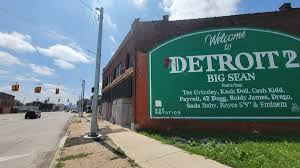
On the fence about attending the NLG Convention this year due to the organizational messiness and chaos of our recent past? Haven’t gotten your ticket yet because you’re wondering what Detroit as a Midwest destination in the ass-crack of winter has to offer? Waffling about whether to have hope or throw in the towel as the triplicate horrors of heteropatriarchy, white supremacist delusion, and capitalism ravage the people and places we love? Trust me, I think we all get it.
And, as we all know and feel, this is a moment when lawyers, legal workers, law students, jail house lawyers, regular humans, and organizers of all stripes who are committed to justice are being called upon to act with clarity and courage. And so it’s also a time when we need to gather, talk about the horrors, share tactics, learn from each other, and have fun together damn it! And if you come to the NLG Convention in Detroit, I’m here to tell you we will.
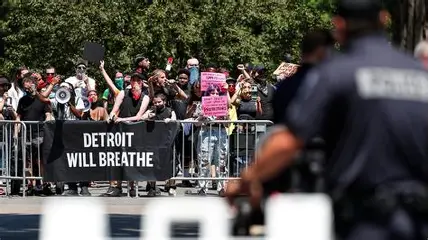
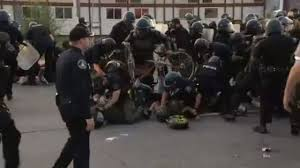
Across the country, and globally, human beings are confronting intensified repression (against protesters and passers by alike), attacks on civil liberties, genocide, ICE rampages, fucking un-ending military aggression, and rapidly escalating inequality.
We’re meeting this moment as NLG members and activists in movements for racial justice, labor rights, immigrant defense, environmental survival, and democratic freedoms the same way we always do, by building power.
In moments like this, it is vital that those of us in the moment who work in and around the legal system come together—to share tactics, strengthen relationships, and fortify ourselves and each other for the struggle ahead. In times of political uncertainty and in the face of increasingly bold attacks on dissent, the role of movement lawyers and legal workers is ever more critical.
The National Lawyers Guild was founded by a bunch of badasses in 1937 in the midst of economic crisis and rising authoritarianism, and here we are again in 2026! Still badasses, still facing down the maw of the slavering twin beasts of endstage capitalism and perpetual war.
Throughout our nearly 90 year history, the Guild has stood with movements when other legal institutions and the Federal Government have been used as a cudgel to suppress them. Nothing has changed today—this moment calls for solidarity, courage, and a renewed commitment to using the law in service of people’s struggles. It also calls for opportunities to celebrate and collectively rest and restore ourselves as best we can, whenever we can.
Allow me to posit there are few places more fitting for our annual gathering in this political moment than Detroit.
Detroit is a city with a deep and proud radical history. As the heart of the U.S. auto industry, Detroit was the site of transformative labor struggles that reshaped the relationship between workers and corporate power. The 1936–37 Flint sit-down strike against General Motors helped secure recognition for the United Auto Workers and inspired waves of militant organizing throughout the industrial Midwest. In Detroit itself, rank-and-file organizing continued to push the labor movement forward through formations like the Dodge Revolutionary Union Movement and the League of Revolutionary Black Workers, which challenged racism within industry and the labor movement while articulating and embodying a powerful vision of Black working-class leadership.
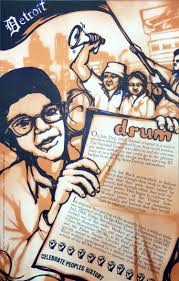
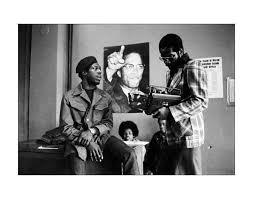
Detroit has also been central to the ongoing Black freedom struggle. The 1967 Detroit rebellion—one of the most significant urban uprisings in U.S. history—was a powerful expression of resistance to police brutality, racial segregation, and economic exclusion. In the years that followed, Detroit became a center of radical political thought and grassroots organizing. This city has also been relentlessly punished for it’s participation in the uprising and the scars are still visible today in neighborhoods intentionally blighted by the onslaught of the National Guard and subsequent racist statewide policies that were only applied to Michigan’s majority-Black cities.

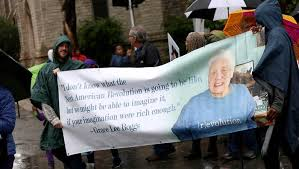
Visionaries like Grace Lee Boggs and James Boggs helped cultivate generations of organizers through political education, community organizing, and a powerful philosophy rooted in place, responsibility, and revolutionary transformation. Their work emphasized that lasting change grows from communities themselves—and Detroit continues to embody those lessons and continue the work through the Boggs Center and Boggs School..
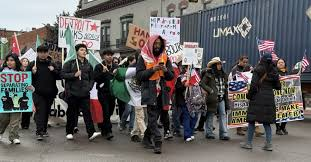
The city has also played a critical role in radical legal advocacy. Detroit has long been home to lawyers who understand the law as a tool in service of movements. The Sugar Law Center for Economic and Social Justice—named for legendary labor lawyer Maurice Sugar and his partner Jane Sugar—has carried forward that tradition for decades, supporting workers, community organizations, and social justice movements. Lawyers like Bill Goodman and others connected to the center have helped defend civil liberties, support organizing campaigns, and demonstrate what movement-centered legal practice can look like in action. To say nothing of moonlighting in viral NLG PSAs.
NLG Know Your Rights reminder: Shut the f*** up!
And of course Detroit’s radical spirit has also been expressed through art and music that has shaped culture far beyond the city itself. The sound of Motown, emerging from Berry Gordy’s legendary Hitsville studio, brought the voices and creativity of Black Detroit to the world during the height of the civil rights era. Later, Detroit became a birthplace of techno, pioneered by artists whose futuristic sound reflected both the city’s industrial landscape and its spirit of innovation. Detroit has also long nurtured powerful traditions of jazz, soul, hip hop, punk, and experimental art—cultures that have often intersected with movements for liberation and community expression.

Today, that creative legacy remains vibrant and undeniable. Across the city, artists, musicians, and cultural workers are continuing to build spaces for radical imagination and collective expression. Community art collectives, neighborhood galleries, grassroots music venues, incredibly dope murals and graffiti, and myriad cultural institutions are now (and always have been!) creating platforms for new generations of Detroit artists while honoring the traditions that came before them. Festivals, public art projects, and community cultural spaces continue to maintain Detroit’s neighborhoods as sites of creativity, resistance, and possibility in the face of repression from the state.
That same spirit of innovation and collective care is visible in Detroit’s contemporary organizing. Community groups and grassroots coalitions are fighting for housing justice, resisting displacement, defending water access, organizing workers, and building community-based economic alternatives. Detroiters continue to lead national conversations about water rights, municipal democracy, community land stewardship, and the future of urban organizing. From neighborhood-based mutual aid networks to citywide campaigns for economic justice, Detroit remains a place where people are building new models of solidarity and collective power.
Holding the National Lawyers Guild Convention here is both an honor and a responsibility. Detroit reminds us that legal advocacy is most powerful when it is in service to and accountable to movements—when lawyers work alongside organizers and communities, and when the law is used not as an end in itself but as one tool among many in the broader struggle for justice.
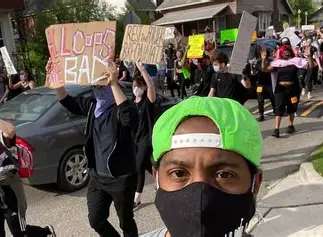
The Guild has always been a home for people who believe that the law must serve the people, not power.
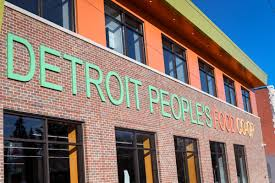
Gathering together allows us to learn from each other, build relationships across regions and movements, and strengthen the networks that sustain our work. Whether you are a longtime Guild member or someone exploring the organization for the first time, this convention will be a space to connect with others who share a commitment to movement lawyering, collective liberation, and principled resistance. And critically, FUN! Detroit offers the perfect backdrop for that work and for celebration as we continue the struggle.. Here, the lessons of the past—from militant labor organizing to the rebellion of 1967 to the radical intellectual and legal traditions that followed—continue to inform the present.
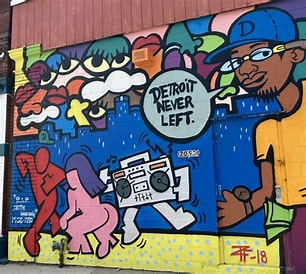
Coming together in this city reminds us that transformative change has always depended on people willing to organize, to challenge unjust systems, and to imagine something better. When we refuse to let our hopes be dimmed and keep dancing even in the moments that feel darkest. We hope you will join us in Detroit—not only to learn and strategize, but to be part of a community committed to building the world our movements deserve. Together we can deepen our collective capacity, support one another in unprecedented times, and leave the convention energized for the work ahead.
I know I speak for a lot of dope folks when I say, we look forward to welcoming you to Detroit in April.
Stay dangerous,
Emma