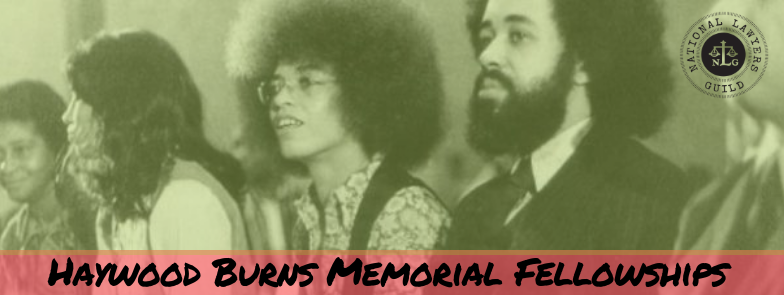
The Haywood Burns Fellowships are designed to encourage students to work in the NLG’s tradition of “people’s lawyering.” The program exists to help students apply their talents and skills to find creative ways to use the law to advance justice. Burns Fellowships provoke law students to question traditional notions of how one must practice law and to provide a summer experience that will enrich and challenge them. Donate to support the next generation of people’s lawyers here!
The 2024 Haywood Burns Application Cycle is now closed. The 2025 Application will be available in November 2024.
Email NLG Director of Research and Education Traci Yoder at traci@nlg.org if you have questions about the fellowship or the application process.
The History
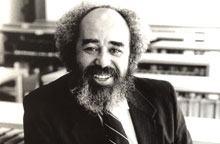 The Haywood Burns Memorial Fellowship for Social and Economic Justice has its roots in the National Lawyers Guild’s established tradition of providing legal, political, and educational support to the important progressive movements of the day. In late 1972, New York State indicted 62 prisoners who survived the police assault at the Attica Correctional Facility. None of the police officers was indicted despite detailed reports of excessive force. In 1973, the Summer Projects Committee was formed in part to respond to this situation. The committee sent students to assist with the defense of the Attica Brothers, to support the growing farmworker struggles in California, and to support Native American treaty rights in the Pacific Northwest. Over the years, the Summer Projects program has expanded to place hundreds of students with public interest organizations working to protect and further the civil rights of oppressed people in the United States. Although providing legal work under the direction of their attorney-organizers is important, the primary mission of the summer projects is to strengthen each student’s long-term commitment to promote justice and equality. Fellows have worked with groups to provide legal, political, and educational support on a wide variety of issues, including voting rights; union democracy; workplace health and safety; the death penalty and prison reform; lesbian/gay/bisexual/trans rights; defense of protesters from police harassment and criminal sanctions; and international human rights. In 1996 the program was renamed after Haywood Burns, long-time radical lawyer, law professor, and former president of the National Lawyers Guild, whose life and work created a legend to inspire generations to come.
2024 Haywood Burns Fellows
 Jessenia Class is a first-generation college and law student at Harvard Law School. Before law school, Jessenia worked on impact litigation for social and economic justice at a public interest law firm and public interest law philanthropy in New York City. Last summer, she interned with Rights Behind Bars, working on movement-lawyering direct litigation and appellate litigation aimed at dismantling the carceral system. As a Haywood Burns fellow, Jessenia will work at Public Justice, where she’ll have the opportunity to learn from their conditions of confinement and environmental work, among many other project areas under Public Justice’s General Litigation Summer Clerk program. Through this experience, Jessenia hopes to stitch together a theory of change to combat environmental harms at prisons, jails, and immigration detention centers nationwide.
 Emily Cole (she/they) is a 1L at the University of Oregon School of Law, situated on Kalapuya ilihi, the ancestral land of the Kalapuya people, before they were forcibly removed. Prior to embarking on her legal journey, Emily dedicated herself to social work, advocating for youth transitioning out of the foster care system. Their experiences, particularly with LGBTQ+ and Queer youth, fueled her fervent commitment to dismantling systemic injustices and championing the rights of marginalized communities. Drawing inspiration from the impactful organizing and scholarship work of Derecka Purnell, Emily aspires to become an abolitionist lawyer, addressing the multifaceted dimensions of institutional violence pervasive in our capitalist society. She is deeply involved with her university’s NLG chapter, serving on its board, where she collaborates with fellow students to foster solidarity within the community and amplify student voices. This summer, Emily anticipates delving further into avenues for building a legal career centered on community care, driven by their unwavering dedication to social justice.
 Helina Haile is an Ethiopian immigrant and peacebuilder interested in the intersection of health and human rights. Helina is committed to the principles and values of somatic-trauma healing, healing justice, and prison abolition. Prior to law school, her work in international development, racial equity, health advocacy, and trauma healing informed her approach to using law as a tool for individual and communal healing. Through the Haywood-Burns Fellowship, Helina will spend her 2L summer at Movement Law Lab, an organization committed to providing long-term and rapid-response legal needs to grassroots social movements domestically and internationally. After law school, Helina hopes to use her law degree as a tool to work alongside communities and movements pursuing a justice that heals.
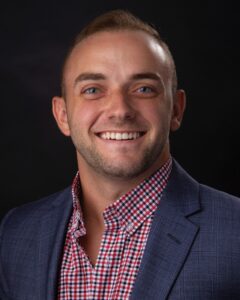 Christopher Licameli is a rising 4L at Capital University Law School in Columbus, OH and was born and raised on Long Island, NY. Over his four years in Columbus he has been involved in community organizing with local organizations like the Anna Hass Morgan Club, Capital Law ACLU, Affordable Housing Columbus, and Yay Bikes! During his time at Capital Law, he reinstated the Capital Law National Lawyers Guild (NLG Cap Law) student organization after it had been defunct for over 5 years. As one of the lead organizers for NLG Cap Law he helped organize law school events around Affordable Housing in Columbus, Alternatives to Policing in Columbus, Abolition of Police & Prisons, the Illegal Occupation of Palestine, Labor Law and Labor Organizing, and Ranked Choice Voting. Christopher has been working as a law clerk at the Franklin County Public Defender’s Office since August 2023. In the summer of 2024, Christopher will be working in a 10-week summer associate position at Cohen & Green, a small NYC-based civil rights firm that focuses mainly on cases involving police misconduct. Much of their work has been related to violations of individuals’ constitutional rights in the context of protests, county and state correctional facilities, and federal prisons. Other practice areas that Christopher will also be working on include LGBTQ+ rights and equal protection, employment, criminal defense, and trusts and estates.
 Victoria Paul is a 2L at American University Washington College of Law. Born in North Miami, Florida, her experience as a first-generation student and child of two Haitian immigrants drives her commitment to elevating the voices of marginalized communities through systemic change. Victoria has served as an intern within both branches of the Florida Legislature. Her time with Florida State Senator Shevrin Jones allowed her to contribute to the advocacy on behalf of those impacted by the carceral system and protect Floridians against Florida’s faulty unemployment system during COVID-19, a critical time for impoverished families. Victoria also managed projects intended to increase economic resources and opportunities for district members, such as Business Fair Expos and Recognition Brunches. Victoria actively demonstrates her dedication to addressing civil rights issues by exploring the development of injustices within education, voting rights, and the criminal justice system. While the correlation between these issue areas may appear distant, Victoria believes that they collaboratively contribute to the oppression of disenfranchised populations. Thus, diffusing and preventing these effects necessitate an interdisciplinary approach. As a Haywood Burns Fellow, Victoria will support the Second Look Project to exercise D.C.’s sentence review mechanism for those unconstitutionally sentenced to life in prison for a juvenile offense. She hopes to gain insight into successful litigation strategies for sentence review proceedings under IRAA and D.C.’s Compassionate Release law, a relatively new field of practice within the District of Columbia and nationwide. Ultimately, Victoria is eager to build the practical skillset necessary to support her future career goal of impacting the development and enactment of legislation that expands the rights and liberties afforded to the marginalized.
2023 Haywood Burns Fellows
 Stephanie Chavez is a first generation Latina, born and raised in Phoenix, Arizona by Mexican Immigrants. She was the first in her family to graduate high school and the first to attend a four-year university. Stephanie graduated from the University of Washington where she double majored in Law and Gender studies and minored in Human Rights. Her time at UW provided her with diverse student-led advocacy and organizing opportunities that further enhanced her passion for various human rights issues. Since graduation, Stephanie has also gained plenty of knowledge about community-led advocacy through local organizations. As a fellow for the Washington Bus, Stephanie was able to mobilize communities to vote during the 2020 elections through grassroots outreach and educational services. She directly spoke to over 200 individuals in the local Seattle community to help them register to vote and gather community input on progressive policies regarding environmental issues. This fellowship helped her understand her love for direct services. In particular, Immigrant rights and human rights have always been important issues to Stephanie. As the daughter of low-income undocumented Immigrants, she understands the significance of affordable legal services for Immigrant communities. As a Haywood Burns fellow, Stephanie is dedicating her time at Colectiva Legal Del Pueblo, a local Seattle non-profit committed to providing low-bono/pro-bono legal services, community education, advocacy and organizing. Currently, Stephanie is a law clerk for the Washington State Bar Association APR 6 Law Clerk Program. This program is a four-year alternative to law school designed for law clerks to learn through practical experience and traditional studies. In the future, Stephanie hopes to become an Immigration Attorney in order to give back to the community that raised her and work on making legal representation more accessible to marginalized communities like the one she comes from.
 Charlotte Colantti is a mother and 1L at Mitchell Hamline School of Law in Saint Paul, Minnesota, where she is pursuing a certificate in Native Law and Sovereignty. Before law school, Charlotte worked as a housing organizer at a neighborhood association where she organized with low-income renters to assert their tenant rights and campaigned for a historic and successful citywide rent stabilization initiative. Additionally, Charlotte was involved with the Pipeline Legal Action Network, a volunteer legal collective that supported activists in the movement against the Line 3 pipeline. Through the Haywood Burns Fellowship, Charlotte will be working at the Regional Native Defense Corporation, a non-profit criminal defense firm in rural northern Minnesota that represents tribal members from Leech Lake and White Earth reservations charged with crimes in state court.
 Sarina Larson is a 2L in Jackson, Mississippi, in training to become a movement lawyer. She believes that a movement lawyer’s role in an imperialist, colonized, mass-incarcerated capitalist society like this one is to keep movement activists out of prison and as free as possible from the chains of unlawful and selectively enforced state repression. As a Haywood Burns Fellow, she will support a radical defense attorney who has defended movements around the world for over four decades: Stanley Cohen. Sarina founded and co-organized the NLG chapter at her law school in Jackson and is an active member of the NLG Mass Defense Committee (MDC). For her first year of law school, she worked at a solidarity economy law firm. For her rising 2L summer, she interned at Nashville Defenders and as a volunteer intern for Stanley Cohen. During the Fall of 2022, she was a legal intern at the ACLU of Mississippi, working on LGBTQ Justice Project issues while starting her first Law Review Comment. During the Spring of 2023, she is externing at the Cornell Law School Movement Lawyering Clinic. After law school, she hopes to start movement lawyering and maintain involvement in the NLG MDC.
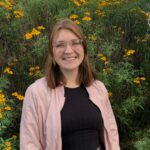 Alyssa Meurer is a 2L at the University of California, Berkeley, School of Law. She grew up in Milwaukee, Wisconsin, and received her undergraduate degree in sociology and Spanish from the University of Wisconsin–Madison. During her time in Madison, Alyssa grew connected to justice-involved communities through her work with The FREE Campaign, a grassroots organization led by formerly incarcerated women, and extensive interviews of parents incarcerated in the Dane County Jail through a research lab under Dr. Julie Poehlmann-Tynan. Drawn to abolitionist movement work, Alyssa spent her 1L summer working with Legal Services for Prisoners with Children, an organization made up of formerly incarcerated individuals that advocates for the civil and human rights of those touched by the criminal legal system. Alongside her volunteer time assisting community members in gaining criminal record expungement, submitting wage claims and fighting evictions, and filing for humanitarian parole, Alyssa has spent countless hours on call with the NLG’s Santa Rita Jail Hotline, helping incarcerated people in Alameda County connect with their attorneys and jail staff, and empowering jailhouse lawyers with legal research assistance. Through the support of the Haywood Burns Fellowship, Alyssa will be spending the summer with the Racial Justice team of the Lawyers’ Committee for Civil Rights of the San Francisco Bay Area, fighting for the right to housing, the end to police brutality, and the empowerment of communities impacted by the criminal penal system.
 Michael Ohora is a 2L student at the Elisabeth Haub School of Law at Pace University, interested in environmental law. Specifically, land use law and climate change policy. Michael has been a member of the NLG since he started his legal studies at Pace and currently serves on the NLG-Pace executive board and the NLG-NYC Executive Committee. During his 1L summer, he interned for the City of Houston Legal Department in the Real Estate Division, assisting with affordable housing efforts and hurricane recovery programs. As a Haywood Burns fellow in his 2L summer, he will be working with the Environmental Justice Initiative / New York Environmental Law and Justice Project. He is committed to public interest law and holding capitalists responsible for climate change while helping vulnerable communities adapt to future climate threats.
2022 Haywood Burns Fellows
 Arabella Colombier is a student at Columbia Law School and a member of NLG’s CLS chapter, NLG-LA, and NLG-International Committee. Before law school, Arabella studied philosophy at McGill University, where she served as a board member of the Quebec Public Interest Research Group and worked as a program coordinator for public education and community engagement event series. At Columbia, Arabella has explored her interests in justice, care, and liberation as a student attorney in the Immigrants’ Rights Clinic and Abolition Practicum, an intern at Movement Law Lab and the COVID-19 Eviction Moratorium and Housing Policy Project, and a staff editor for the Columbia Human Rights Law Review (HRLR) and A Jailhouse Lawyer’s Manual. As a research assistant for the Columbia Center for Contemporary Critical Thought, Arabella worked on Thunderhawk v. County of Morton, a class action about constitutional violations by law enforcement during the NoDAPL movement. She currently interns at the Center for Constitutional Rights, volunteers as an articles editor for HRLR, and organizes support in solidarity with Wet’suwet’en land defenders resisting the Coastal GasLink pipeline. She is grateful to receive the Haywood Burns Fellowship to support her internship at Honor the Earth, where she will assist with its Water Is Life campaigns.
 Jamie Marsicano is a 1L at University of North Carolina School of Law. Jamie is a queer and trans organizer from Charlotte, NC. Before coming to law school, Jamie worked with mutual aid collective Charlotte Uprising to start a grassroots community bail fund that raises money to bail people out of jail and support them through court, regardless of charge. Jamie believes that no one should be in a cage, and dreams of a world where we can prevent and respond to harm in our communities without relying on prisons or police. Jamie plans to use a law degree to do criminal defense in NC. As a Haywood Burns fellow, Jamie will be working at the Law Office of Habekah B. Cannon, an explicitly abolitionist, public interest criminal defense firm. The goal is to be a movement lawyer, and this summer Jamie is lucky enough to support and learn from one of the best.
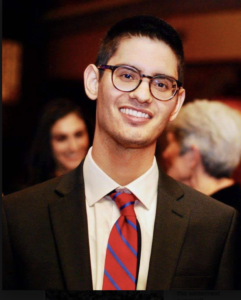 Eli Massey is a 1L at DePaul University. He sits on the board of the Chicago National Lawyers Guild chapter and is also involved with the DePaul NLG. Before beginning law school, Eli worked as a freelance journalist, researcher, and editor at the socialist magazine Current Affairs. Much of his work focused on the Middle East, terrorism, and the criminal punishment system. As a Haywood Burns fellow, Eli will spend his summer working for radical criminal defense attorney Stanley Cohen, whose past clients include Occupy Wall Street protesters, members of the hacktivist collective Anonymous, East Village squatters, the Mohawk Warrior Society, ACT UP, Hamas, Hezbollah, and the IRA.
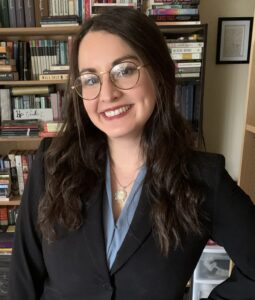 Jessica Olave is a first generation college student, the daughter of Colombian immigrants, and a 2L at Lewis & Clark Law School. During her undergraduate studies, Jessica worked on mayoral and congressional campaigns for Latinx candidates throughout Southern California. Before starting law school, Jessica volunteered on organic farms in New Zealand through WWOOF and as a site gardener at the Center for Environmental Research and Strategies in Melbourne, Australia. She then served as a Peace Corps volunteer in Paraguay, collaborating with local farmers on developing sustainable agriculture practices. During law school, Jessica has been active in the Latinx Law Society, the Immigration Student Group, Women in Criminal Law, the Public Interest Law Project, the NLG expungement project, and the Low-Income Taxpayer Clinic. Jessica is a former fellow with Equal Justice Works Rural Summer Legal Corps, where she worked as the law clerk for Legal Aid of Oregon’s Farmworker Program. In this role, she worked extensively with migrant and seasonal farmworkers challenging discrimination in the workplace and advocating for their communties. Jessica is passionate about climate justice and amplifying the voices of the Latinx community. She is focusing on environmental law and immigration in order to advocate for climate migrants throughout her legal career. As a Haywood Burns Fellow, Jessica will be working with the Public Justice Food Project, using targeted litigation to support the larger “good food” movement and redress the structural and institutional inequities upon which the current food system is built.
 Noor Zara Sheikh is a 2L student and graduate fellow at the City University of New York School of Law (CUNY Law). Noor is passionate about immigration law reform and aspires to be a movement and social justice lawyer for her community. At CUNY Law, Noor is a volunteer student attorney with the Creating Law Enforcement Accountability & Responsibility (CLEAR) Clinic. She is also an active member of her law school, serving as a Student Government representative, Law Review staff editor, Race and Social Justice Orientation e-board member, South Asian Law Students Association e-board member, and Research Assistant for Professor Ramzi Kassem. Currently, Noor is a legal intern with the American Civil Liberties Union (ACLU) Immigrants’ Rights Project. Last summer, Noor worked as a legal intern with the Vera Detained Minors program at The Door’s Legal Services Center, serving minors seeking asylum in the United States. Before law school, Noor worked as a case manager for survivors of intimate partner violence with the Arab American Family Support Center and Family Justice Centers. Noor completed her undergraduate studies in Psychology and Human Rights at the Macaulay Honors College at Hunter College. At the Roosevelt House Public Policy Institute, Noor completed her Human Rights honors thesis on the “Foreign Aid Industrial Complex.” Noor was born in Lahore, Pakistan and raised on Staten Island, New York. As a Haywood Burns Fellow, Noor will intern on Staten Island, New York with the Staten Island Legal Services’ (SILS) Immigration Unit to serve immigrant communities on the island and support SILS’s impact litigation work.
2021 Haywood Burns Fellows
 Xena Sofia Hinson is currently a 2L at American University Washington College of Law (WCL), a Dean’s Merit Scholar, and a former Dean’s Fellow in the Re-entry Clinic. She is a trained legal observer through the NLG, a pre-law mentor to students from underrepresented groups, and an executive board member of WCL Criminal Law Society. Xena is a former People’s Justice Fellow through the COVID-19 Rapid Response + Summer Institute at Harvard Law and a trainee of the Movement Law Lab. In support of the NLG Mass Incarceration Committee, she drafted a UN claim on the human rights violations of individuals incarcerated in US prisons during COVID-19. Xena has also provided jail support to medically vulnerable human beings and assisted clients facing parole hearings during the pandemic. Before law school, she served as a Re-entry Community Mediator and Americorps member facilitating collaborative conflict resolution in Baltimore City correctional facilities between men in custody and their loved ones. Xena has also advocated for the rights of returning citizens working in the food service industry in the SF Bay Area where she grew up. She is passionate about prison abolition and dedicated to amplifying the voices of justice-impacted individuals. Xena believes in the power of leveraging art and the law to create social change. As a Haywood Burns Fellow, she will be working with Advancement Project, a non-profit organization using innovative tools and strategies to strengthen social movements.
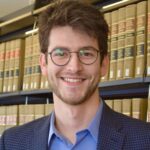
Julian Montijo is a second-year student and Public Interest Law Scholar at Northeastern University School of Law. Before beginning his graduate studies, Julian worked as a paralegal in the Family Defense Practice at Brooklyn Defender Services assisting in the representation of individuals facing accusations of child neglect and abuse in family court. In this role, he worked extensively with parents advocating to clear their names from child abuse registries to expand employment opportunities and support their families. While in NYC, Julian volunteered with the NY People’s Education Initiative, teaching extracurricular classes to students incarcerated on Rikers Island. His current academic interest is in prison ecology, abolition, and critical legal studies. As a Haywood Burns Fellow, Julian will work with the People’s Law Office in Chicago on criminal and civil rights cases challenging anti-Black police violence and wrongful convictions, seeking relief and accountability for survivors of police torture. Julian is a 2015 graduate of Cornell University with a degree in Comparative Literature and Economics.
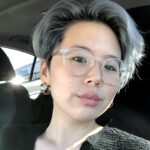
Jackie Park is a 2L at UCLA School of Law on the traditional, ancestral, and unceded territory of the Gabrielino/Tongva peoples. Jackie is specializing in Critical Race Studies and Public Interest Law and Policy. Jackie holds a B.A. in Gender, Sexuality, and Feminist Studies from Middlebury College. While they are not proud of the embarrassingly elite education that follows their resumé, Jackie is proud that they have always found community to study together and place interpersonal struggles into a historical context, realizing in time that Black folks, Indigenous folks, and other folks of color were always at the forefront of movements. During their time at UCLA, Jackie is involved in multitude of organizations like Tenants Law Association, Queer/Trans People of Color Collective, Asian/Pacific Islander Law Student Association, NLG-UCLA, UCLA Law Review, and Housing Committee of NLG-LA. Prior to law school while working at legal aid, Jackie found interest in tenant and housing rights where they saw the only attorneys who were running around the office were the eviction defense attorneys (and also because Jackie saw how safe housing or the lack thereof impacted every tenet of people’s lives). As a Haywood Burns Fellow, Jackie will intern at Communities Resist in unceded territories of the Lenape people/NYC, partnering with communities of color in Brooklyn and Queens to combat racial capitalism and gentrification that terrorizes Black and Brown tenants. Jackie is excited to be supported by the Fellowship as they will get to see advocacy and litigation in tandem with disrupting a legal system that favors displacement and incarceration. This summer will further Jackie’s goal of being an attorney/advocate—agent of the State—that is “on tap, not on top.”
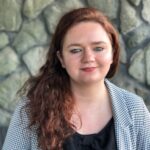
Colleen Ryan was raised in the Upper Cumberland region of Tennessee and is currently a 2L at Belmont University College of Law. During law school, she has worked with the Legal Aid Society of Middle Tennessee and the Cumberlands, the Tennessee Justice Center, and Disability Rights Tennessee, addressing a broad range of civil legal issues facing Tennessee families during the COVID-19 pandemic. After graduating from the University of Tennessee in 2017, Colleen studied post-war reconstruction and justice sector reform as a Fulbright Scholar at the University of York. She also completed graduate studies at Tsinghua University in Beijing, China through the Schwarzman Scholars Program. Colleen hopes to use her career to advance access to justice in rural and other under-served communities in the Appalachian South. As a Haywood Burns Fellow, Colleen will be working with AppalReD Legal Aid on holistic legal representation for Appalachian families affected by the opioid epidemic.
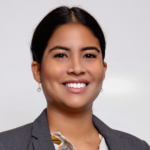
Stephanie Sorquira is a 1L student at the City University of New York School of Law (CUNY Law), focusing on immigration law. Before coming to CUNY Law, Stephanie attended Emory University School of Law, where they received a Juris Master with a focus on International Human Rights Law. While at Emory Law, Stephanie volunteered at the Emory Immigration Clinic. At Emory Law, Stephanie also served as Conference Chair for OUTLaw and had the privilege of co-organizing interesting conferences on immigration and public health, one of which was named “No Pride in Borders.” As a Haywood Burns Fellow, Stephanie will be working with Project South’s Legal and Advocacy Program to defend Black, immigrant, and Muslim communities against state repression.
2020 Haywood Burns Fellows
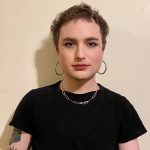 Talia Curtis is a 2L at the City University of New York School of Law, where she serves as Co-Director of CUNY Law’s National Lawyers Guild chapter, and is a member of the CUNY Labor Coalition for Workers Rights and Economic Justice. During her time at CUNY School of Law, she has organized or helped organize legal observer and information security trainings, as well as a solidarity fundraiser for striking hotel workers in Boston. Since January 2019, she has been a legal assistant at the progressive labor and employment law firm, Eisner & Dictor, P.C., where she assists with union matters as well as wage and hour litigation on behalf of workers. Before attending law school, she was a member of the Graduate Workers of Columbia-UAW Local 2110, and later a staff organizer for UAW, where she helped organize a historic graduate worker strike in the spring of 2018. She has also held elected leadership positions in the New York City chapter of the Democratic Socialists of America, where she organized trainings, actions, campaigns, and helped build coalitions with other local leftwing, progressive, community, and labor organizations. The Haywood Burns Fellowship will help support Talia at her internship with the Legal Aid Society’s Consumer Law Project this summer, where she will assist the Project in defending low-income debtors from unscrupulous debt collectors and creditors, as well as affirmative consumer law litigation, community outreach and education, and legislative advocacy and policy research around consumer finance and economic justice.
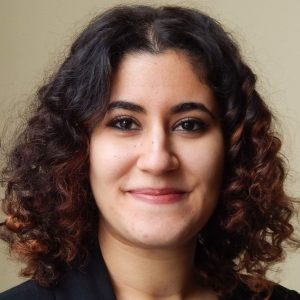
Menna Elsayed grew up in the Bronx, NY and Cairo, Egypt. She is currently a 1L at UCLA School of Law, where she is enrolled in both the David J. Epstein Public Interest Law & Policy Program and the Critical Race Studies Program. She volunteers with the Reentry Clinic and the Let’s Go Liberation! Clinic. As an undergraduate at Columbia University, she studied Sociology and French & Francophone Studies. Prior to law school, she was a Justice Fellow at the Equal Justice Initiative in Montgomery, Alabama, where she primarily worked in operations for The Legacy Museum: From Enslavement to Mass Incarceration and The National Memorial for Peace and Justice, which is dedicated to victims of racial terror lynchings. As a Haywood Burns Fellow, Menna will intern in Atlanta, Georgia at the Southern Center for Human Rights, which advocates for people impacted by the criminal legal system in the Deep South.
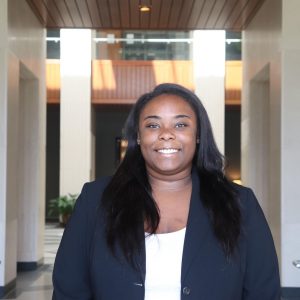 Breonna Grant is native of Miami, Florida. However, she attended high school in Atlanta, GA and considers the peach state her home away from home. Breonna holds a degree in English and Educational Studies with a concentration in Creative Writing from Denison University located in Granville, OH. After spending six months abroad in Bath, England Breonna returned to the US and attended law school. Currently, Breonna is a second year student at the University of Mississippi School of Law, where she focuses on public interest law and various types of civil litigation. Breonna has served as a community revitalization specialist in New Albany, MS where she partnered with the New Albany Mainstreet Association and New Albany Boys and Girls Club to bring about positive communal outcomes. In addition to M-Partner, Breonna has worked for The Hickman and Fondren PLLC and The Fogle Law firm as a legal associate. She is an active member at her law school serving as the PILF vice president, BLSA parliamentarian, Pro bono initiative student coordinator, Phi Alpha Delta Member, and a team member on the BLSA Moot Court as well and Space Law Moot Court. Breonna recently published an article titled “Common Cause v. Lewis: Partisan Gerrymandering Claim Held Justiciable Controversy Under North Carolina Constitution” in the ABA volume 33 alongside esteemed law professor Ben Griffith, Esq, and is currently serving underrepresented parties through her school’s Street Law Clinic. This summer, Breonna will work with The Florida Justice Institute in attempts to combat harsh prison practices and advocate for underserved inner city communities. Breonna believes that, “ everything negative: pressure, challenges – is all an opportunity to rise” (Kobe Bryant). Upon graduation, Breonna will return to her hometown of Miami, Florida and serve as an impact litigator providing legal access to underserved persons.
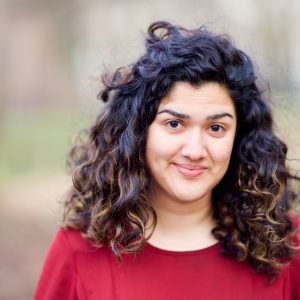
Sacha Maniar is currently a 2L at CUNY School of Law. She is a South Asian American born and raised in the Bay Area and has been living in New York for the last two years. Sacha is passionate about building community and solidarity within the South Asian communities and with all impacted POC and immigrant communities. Before coming to law school, Sacha was working at AAAJ- Asian Law Caucus in San Francisco in their National Security Civil Rights Project. There, she advocated for the rights of Muslim communities impacted by unjust surveillance and immigration policies. She worked alongside local community racial justice groups through large scale actions, Know Your Rights, and pushed local policies in Oakland and San Francisco. Before that, she lived in a small community in Falewas Parbat, Nepal for two years, where she worked with local women’s groups on health, gender and caste justice issues. Sacha currently is involved with numerous student groups at CUNY Law including the International Refugee Assistance Project (IRAP) and Asia Pacific Legal Student Association (APALSA). She organized the Race and Social Justice Orientation (RSJO) over the summer of 2019. Sacha also volunteers with Adhikaar as an ESL teacher and at CUNY CLEAR (Creating Law Enforcement Accountability and Responsibility). As a Hayward Burns Fellow, Sacha will be working at Take Root Justice in their Immigrant Rights Project.
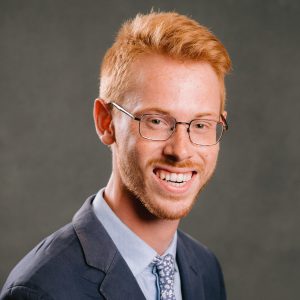 Jesse Vogel is a first year law student at Ohio State University Moritz College of Law, where he is a Michael E. Moritz Merit Scholar. He is a member of the Public Interest Law Foundation Executive Board and the Program on Law and Leadership, as well as a founding member of OSU-Moritz’s NLG student chapter. Prior to law school, Jesse was Managing Director at the Partnership for Responsible Growth, a climate and environmental advocacy organization, where he organized listening sessions in Central Appalachia to build a stronger network of communication between organizations on the front lines of energy transition and national environmental nonprofits including National Wildlife Federation, Union of Concerned Scientists, and Resources for the Future. Jesse also has experience working on state, federal, and local elections, including as a board member of Launch Progress, a political action committee building the bench of progressive leadership by supporting first-time candidates for state and local office. As a Haywood Burns Fellow, Jesse will be working at Arch City Defenders, a holistic legal advocacy organization combating the criminalization of poverty and state violence.
2019 Haywood Burns Fellows
 Kenneshea Allums was born and raised in Louisiana and left to attend graduate school in NYC. During her time as a graduate student, she co-founded the blog Black Women UNChecked with Shani Ealey to explore socio-political issues impacting Black women and document extrajudicial killings of Black folx through a project called The Blood Record. Much of her political education was formed and refined in the North, but after graduation she plans to return to the Deep South to support movement work centering the lived experiences of Black Southerners. She is inspired by Black women like Korryn Gaines, Ella Baker, Fannie Lou Hammer, Jesmyn Ward, adrienne maree brown, and Octavia Butler and aspires to follow their creative and bold paths towards liberation. Prior to law school, while trying to figure out how best to contribute to movement work she held positions at non-profits working on police accountability, voting rights, worker’s rights, and economic justice, and she was a Housing Paralegal at Brooklyn Legal Services. She is currently a 2L at CUNY Law, the co-director of her school’s NLG chapter, and active in the NLG Parole Prep Project. Driven by a desire to create more space in the legal field for Black and Latinx working class folx, she has made organizing with her peers at CUNY Law a priority. With this group, she pushes the administration to be more transparent, remove punitive academic standing policies, and provide more resources to Black and Latinx students in the form of scholarships, summer fellowships, more Black and Latinx faculty, and updated curricula that includes Critical Race Theory. Last summer, she interned with the Center for Constitutional Rights. Kenneshea is excited to spend this summer interning in the South at Equal Justice Initiative in Montgomery, Alabama.
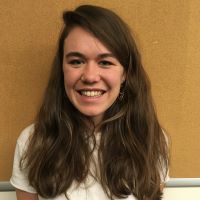
Zoe Bowman is a 1L at Northeastern University School of Law and is involved in the NLG, the Student Political Organizing Team, and improv comedy. Prior to law school, she attended Macalester College where she studied Political Science and Classics with a concentration in Human Rights and Humanitarianism, worked as an ESL instructor, and organized bike maintenance workshops for young women. At Macalester, Zoe spent a semester studying in Amman, Jordan, and returned the following summer to research the international and local community’s response to the Syrian Civil War and subsequent humanitarian crisis. After graduating, Zoe was a legal assistant at the New Mexico Immigrant Law Center, where she worked with low-income New Mexicans apply for humanitarian visas and helped organize pro se DACA, citizenship, and asylum workshops. She also completed a solo bike ride on the Pan American highway across Colombia, Ecuador, and Peru. This summer for her Haywood Burns Fellowship, Zoe will be working at Al Otro Lado, where she will assist attorneys and organizers with Know Your Rights and Asylum presentations in Tijuana and an immigrant detention center.
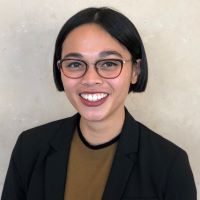
Christine Farolan is a 1L at Northeastern University School of Law and a proud daughter of Filipino immigrants. After graduating from Northwestern University with a degree in Social Policy, she completed an AmeriCorps year of service for the Legal Assistance Foundation. At LAF, she organized volunteer opportunities for attorneys and law students and assisted in management of a pro bono legal services clinic in Chicago’s Uptown neighborhood. In law school, she is a co-chair of the Asian Pacific American Law Students Association. She is also a member of the Criminal Law Project, with whom she has been researching campus police authority and misconduct. Christine hopes to use her career to further criminal legal reform and is excited to work with the Chicago Community Bond Fund as a Haywood Burns fellow.

Luna Garzón-Montano is a 1L at Fordham University School of Law where she is a Stein Scholar in Public Interest Law and Ethics and a board member of the Fordham Law Defenders. After graduating from Vassar College in 2014, Luna worked in public criminal defense for four years. She spent a year-and-a-half at Center for Appellate Litigation where she did parole advocacy work, addressed issues surrounding clients’ conditions of confinement, assisted in the drafting of Drug Law Resentencing Act motions seeking reductions for clients with Rockefeller-era drug sentences, and interviewed clients for the Sex Trafficking pilot project, which aimed to vacate prostitution and related convictions where clients had been trafficked. She then spent two-and-a-half years at Federal Defenders of New York working with men sentenced to death in federal court appealing their convictions and sentences. This summer, Luna will intern at Southern Center for Human Rights in Atlanta, Georgia.

Florence Otaigbe is a third year law student at CUNY School of Law. She is a Black Nigerian Mississippian who has been in New York for two and half years. For Spring 2019, she is interning at the Center for Constitutional Rights. She served as co-director of the CUNY NLG chapter during her second year of school. She’s also been involved with the Black Law Students Association and International Refugee Assistance Project. For her first two years of law school, she was pursuing her law degree while working as a Paralegal Casehandler at The Legal Aid Society in the Housing unit where she played a role in keeping low-income tenants in their apartments. Prior to law school, Florence graduated from Michigan State University with a Bachelor of Arts in International Relations with minors in French and African Studies. During that time, she interned at St. Vincent Catholic Charities in the Refugee Services department and volunteered at the Refugee Development Center. As a Haywood Burns Fellow, Florence will be working at The Door in the immigration department assisting Black and Brown, LGBTQ+, and/or undocumented youth with applying for various forms of relief- particularly Special Immigrant Juvenile status.
2018 Haywood Burns Fellows
 Tyler Crawford is a 2L at Fordham Law School, where he is a Stein Public Interest Scholar and on the board of Fordham’s NLG. Prior to law school, Tyler was a bike mechanic for seven years, working two years in Tampa Bay where he learned how to build bikes, and then in New York City for five years, where he helped open two shops, taught classes, and worked as a technician for racing cyclists as well as commuters. In his first year at Fordham Law, Tyler helped establish the Bicycle Worker Advocacy Project (BWAP), a grassroots labor organization for bike shop workers, messengers, and food delivery cyclists. Tyler worked in Fordham’s Criminal Defense Clinic last semester, and specializes in a variety of civil legal issues, especially non-profit, housing, and labor law, with an emphasis on grassroots organizing. When not working with BWAP, Tyler works in Fordham’s Community Economic Development Clinic, and also as a research assistant to Professor Brian Glick, as well as with several NYC community organizations on projects related to housing and city planning. This summer, Tyler will be a Haywood Burns fellow at Appalachian Research and Defense Fund, a civil legal aid organization based in Eastern Kentucky, where he will be defending the welfare rights of vulnerable clients and conducting legal clinics and outreach to rural communities. As an undergraduate, he studied English literature at the University of South Florida: St. Petersburg. Tyler is interested in getting involved in politics one day, or something similar to politics. He also loves jazz.

Walter Anthony Jean-Jacques is a first year law student at Notre Dame Law School, and is from Newark, New Jersey. At Notre Dame, Walter is the first year representative of the school’s NLG chapter, Black Law Students Association, and the Notre Dame Exoneration Project. Prior to attending law school, Walter obtained his Master of Science in Social Policy at the University of Pennsylvania School of Social Policy and Practice, while completing a Graduate Public Policy Fellowship at the Philadelphia City Council. He is an alumnus of Columbia University with a Bachelor of Arts degree in African-American Studies with Honors and Political Science. While at Columbia, Walter interned with the National Urban League, Brennan Center for Justice, African American Policy Forum, Congressional Black Caucus Foundation, and United States House of Representatives. After graduating from Columbia University, Walter was a 6th grade English and Social Studies Teacher for Baltimore City Public Schools, Criminal Defense and Civil Litigation Paralegal for Gerald B. Lefcourt P.C., and K-12 and Early Education Policy Intern for The Century Foundation. While at The Century Foundation, he published three articles: “#SayHerName: Transformative Justice for Young Women of Color,” “Student Activists Turning Up the Heat on Affirmative Action,” and “Is School Policing Racially Discriminatory?.” The New York Amsterdam News also published two articles for Walter as well, “Considering the Current State of Play” and “Cutting Off the School-To-Prison Pipeline.” As a Haywood Burns Fellow, he will be a summer legal intern for the NAACP Legal Defense and Educational Fund, Inc. in New York City working on Juvenile Justice and School Segregation issues.

Jilisa Milton is from Birmingham and is a current JD/MSW candidate at the University of Alabama. She is a former Americorps Alumni, and former Fulbright English Teaching Assistant in Indonesia and former Fulbright Ambassador. Jilisa has a passion for criminal justice reform, police accountability, and anti-racism work. She is a member of Black Lives Matter-Birmingham chapter where she engages in community organizing on behalf of low income members of her community, a city that is over sixty percent black, but has challenges related to poverty, gentrification, and access to housing and education. After beginning law school, Jilisa was an intern at Adelante Alabama Worker’s Center, an organization within the National Day Laborers Organizing Network that focused on the rights of migrant workers, deportation defense, and a movement to shut down an immigrant detention center with inhumane conditions. Jilisa spent last summer at Center for Constitutional Rights in its Ella Baker Internship Program, where she worked on research for cases related to international human rights, police reform, the rights to protest, and policy advocacy. This summer for her Haywood Burns Fellowship, Jilisa will be working at Equal Justice Initiative, where she will contribute to several project and docket areas, including appellate representation of indigent women and men on death row, advocacy on behalf of those sentenced to life without parole as juveniles, investigation of inhumane and abusive conditions in prisons, and research and outreach aimed at developing connections between America’s racist history and current issues in Mass Incarceration. Jilisa hopes to go forward to a career as a civil rights attorney, policy advocate, and ultimately Social Work Professor.
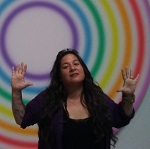
Anita Miralle De Asis aka Needa Bee is a long time businesswoman, artist, organizer, advocate, activist and educator. She has been a leader in the Oakland/Bay Area as well as in broader California and internationally tackling issues and connecting the dots between colonization, immigration, education, police terror, housing, displacement, homelessness, health, food justice, and culture. She is currently studying human rights law and civil rights law and is an apprentice to civil rights lawyer Walter Riley. As a Haywood Burns Fellow, she will work with Meikeljohn Civil Liberties Institute to support and expand the institute’s work and the work of her organization The Village of ensuring landless people’s human and constitutional rights to adequate housing and the decriminalization of homelessness.

Denali Wilson is a first-year law student at the University of New Mexico. She was born and raised in New Mexico, is a cyclist, and a mural artist. She is the co-chair of the NLG student chapter at UNM School of Law, and is active in the Immigration Law Student Association and the Black and Pink Albuquerque chapter. She graduated from the Department of History at New Mexico State University, and attended on exchange the Universidad Autónoma de Yucatán, where she studied land conflict and indigenous displacement in tourist zones on the Yucatán Peninsula in Mexico. Before attending law school, she was a full-time volunteer and education coordinator at Annunciation House migrant shelter in El Paso, Texas and an organizer with the Detained Migrant Solidarity Committee. With the support of the fellowship, she will spend the summer providing legal support to immigrants detained at the Cibola County Correctional Center in Milan, New Mexico. An 80-mile drive from Albuquerque in rural New Mexico, the facility has become a dead zone for due process rights, and innovation measures supporting both access to counsel and effective pro se support are critical. As a fellow, Denali will spend the summer expanding the capacity of the Program for Access to Legal Services at the facility.
2017 Haywood Burns Fellows
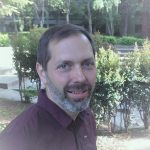 Steven DeCaprio is an Arab-American who moved to Oakland, California 20 years ago from the deep South to find community and pursue his passion for music. In 2000 he became homeless during the Dot Com Boom. After struggling with years of homelessness, Steven DeCaprio founded Land Action to create a framework to address homelessness and displacement through mutual aid among others struggling with housing insecurity. He is an expert in occupying, improving, and repurposing abandoned properties. Steven completed the Law Office Study Program and passed the California State Bar Exam thus fulfilling all the educational requirements to practice law in California. However, the California State Bar denied his application citing his former homelessness and housing advocacy as grounds to determine that he lacked sufficient “moral character.” Steven is a co-founder of the Association of Legal Apprentices which was formed to create a framework for mutual aid supporting apprentices complete the Law Office Study Program, advocate for alumni within the legal field, and make the Law Office Study Program more accessible. Currently, he is being charged with conspiracy by the Alameda County District Attorney’s Office in response to his efforts assisting homeless community members occupy abandoned properties. He is the principle author of the Emergency Tenant Protection Ordinance—citizen sponsored legislation currently being considered by the City of Oakland which addresses issues of displacement of marginalized people in the wake of the Ghost Ship fire. Steven was featured in the film “Shelter: a Squatumentary,” has been featured in numerous publications, and was named one of 12 Visionaries of 2012 by the Utne Reader. As a Haywood Burns Fellow, Steven will be working with the Legal Apprentice Committee of SF NLG Chapter.

Elizabeth Horton is a 2L at Boston College Law School. She is the Co-President of BCLS’ NLG chapter and is also an active board member of the Law Students Association, Middle Eastern Students Association, and If/When/How. She graduated from Harvard College in 2013. For her Senior Project, Elizabeth extensively researched and designed a study evaluating the impact of implicit bias on jury decision-making. During undergrad, Elizabeth was also the Co-Director of a peer mental health counseling service. After college, Elizabeth was awarded the Augustus Clifford Tower Fellowship and earned her Master’s degree in France at L’Institut d’études politiques de Paris (Sciences Po). While working on her Master’s degree, Elizabeth presented original research at the Humanitarian Innovation Conference held at Oxford University. In addition, she had the opportunity to intern at the State Department and in the UN Security Counsel with the International Coalition for the Responsibility to Protect. During her 1L summer, Elizabeth worked in Washington, D.C. at the U.S. Attorney’s Office in the Special Proceedings Division. This Spring, she externed at Committee for Public Counsel Services working with clients as they navigated the criminal justice system. Elizabeth is interested in reforming the criminal justice system through the creation of alternatives to incarceration and increasing access to social services. This summer, Elizabeth will be a Martin Luther King, Jr. Intern at Legal Aid of North Carolina and work in a medical-legal partnership. She would like to thank the National Lawyers Guild and the Haywood Burns Fellowship for all their support.

Morgan Moone is an anticipatory 2017 graduate of Loyola University New Orleans College of Law and a 2014 University of Dayton graduate. She also studied in Nicosia, Cyprus and Ifrane, Morocco during her undergraduate career. Primarily focused on human rights in the Eastern Mediterranean, Morgan has spent extensive time studying how conflict impacts vulnerable communities, particularly displaced persons. Morgan is an Assistant Editor on the Eyes on the International Criminal Court Law Journal, a member of the Maritime Law Journal, and a student practitioner under Rule XX of the Louisiana Code in Loyola’s Children’s Rights Law Clinic. Morgan has worked with Amnesty International’s Individuals and Communities at Risk division as a summer intern, spent a summer working with U.S. Human Rights Network with support and funding from Loyola’s Gillis Long Poverty Law Center, and remotely interned with Human Rights Watch in their National Security division as a legal researcher for the December 2015 Publication No More Excuses. Morgan spent the summer of 2016 with Hebron Rehabilitation Committee in Hebron, Palestine, where she drafted UN Complaints on human rights violations in Hebron, submitted grant proposals for restoration and renovation projects to combat Hebron’s economic decline, and provided tours of the bifurcated Old City of Hebron. With the support of the Haywood Burns Fellowship and Refugee Solidarity Network, Morgan will be working with Refugee Rights Turkey, providing legal services to refugees and working to promote a rights-based response to humanitarian crises.
 Kevin Rafael Varela (Rafael) is a second-year student at CUNY School of Law. He currently serves as President of the Latin American Law Student Association at CUNY, as a Fellow for the CUNY Law Center for Latina and Latino Rights and Equality (CLORE), and as a member of the CUNY Law Review. Prior to law school, Rafael worked as a Board of Immigration Appeals representative for the deportation defense unit at Brooklyn Defender Services and as a legal assistant at Make the Road New York, an immigrants’ rights community based organization. Rafael studied Political Science, Latin American studies, and Women’s Studies at the University of Central Florida. He lives in Queens with his two cats Dennis and Sneakers. This coming summer, he will work with the NAACP Legal Defense and Educational Fund on matters concerning economic justice, political participation, education reform, and criminal justice.
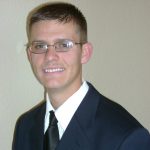
Hunter Lee Weeks is a 26-year-old freelance paralegal who got his start with the National Lawyers Guild in December 2011 while he was incarcerated. He quickly became skilled at law and began his career as a jailhouse lawyer in April 2013. He received his Certificate of Paralegal Studies in February 2015; is now released, and is pursuing a paralegal career in the community at large. He can be contacted at 719-422-3499. As a Haywood Burns Fellow, Hunter will be writing a report on the current state of prison law reform.
2016 Haywood Burns Fellows
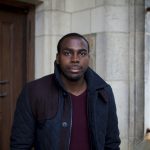 Daniel Fryer is a first year law student at the University of Michigan Law School and a PhD candidate in the Department of Philosophy at the University of Pennsylvania, where he is a William Fontaine Fellow. Prior to beginning law school, Daniel served as a researcher for the Philadelphia branch of the American Civil Liberties Union (ACLU) while working on his graduate coursework. His academic interests include criminal law, legal philosophy, and racial justice. Daniel currently works as a pro bono volunteer for the Civil Rights Litigation Clearinghouse. As a Haywood Burns Fellow, Daniel will work as a law clerk with the Equal Justice Initiative in Montgomery, Alabama. He will be assisting with appellate representation of indigent people on death row, advocacy on behalf of individuals sentenced to life without parole as juveniles, investigations of inhumane and abusive conditions in Alabama prison facilities, and research and outreach aimed at encouraging awareness of the links between America’s racial history and the contemporary crisis of mass incarceration.
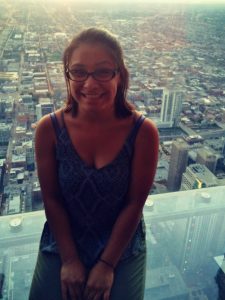
Martha Laura Garcia (Laura) is a 2L at Loyola University Chicago School of Law. She is active in the Immigrants’ Rights’ Coalition, the Latino Law Student Association, and the local NLG chapter. She is a volunteer at Loyola’s student-led suspension advocacy group, SUFEO!, which provides legal assistance to students facing suspension in Chicago area public schools. She is on the planning committee of the annual Norman Amaker Midwest Public Interest Law and Social Justice Retreat, hosted by Loyola law students. She has worked at the Illinois Migrant Legal Assistance Project (IMLAP) where she advocated for seasonal migrant farm workers’ rights all over the state. This expanded her focus from immigration law to labor and employment law and public benefits. She is currently externing at the Community Activism Law Alliance, a legal aid organization that focuses on community building and combining advocacy with activism. There she works with the immigrant and sex worker communities through the organization’s various clinics. Before coming to law school Laura was living on Bainbridge Island, Washington, working at a magazine, and enjoying the great outdoors. She majored in Political Science and International Relations at Saint Louis University’s Madrid campus. She has an online degree in Journalism, which she got while living in Tijuana, Mexico and experienced the advantages and disadvantages of living in a border city. This summer, Laura will return to IMLAP and continue to advocate for farm workers’ rights in Illinois.
Joelle Eliza M. Lingat graduated with Honors from Oberlin College in 2014 with majors in Environmental Studies and Comparative American Studies, a minor in Gender, Sexuality, and Feminist Studies, and a concentration in Peace and Conflict Studies. Currently, they are a 2L at CUNY School of Law where they are a part of the CUNY NLG chapter, the Labor Coalition for Workers Rights and Economic Justice, Students for Justice in Palestine, the Black Law Students Association, and the Defenders seminar. They hope to one day become a people’s lawyer, working at the intersection of immigration, gender, and labor. Outside of law school, they are the National Secretary General of Anakbayan-USA, a national youth and student organization working to educate, organize, and mobilize the community to address important issues that affect Filipinos in the U.S. and in order to achieve genuine freedom and democracy in the Philippines. They have led numerous relief and exposure trips back home to the Philippines and has facilitated workshops and presentations at campuses across the U.S. including the NLG 2016 Convention, Rebellious Lawyering Conference, and the Left Forum. Joelle will spend the summer working with Northeast New Jersey Legal Services Employment Opportunity Project providing representation to those seeking to remove legal barriers to employment. When not in studying or taking it to the streets, they enjoy comic books, slow jams, and the breeze of the Pacific Ocean.

Anya Morgan is a 2L at the University of Texas School of Law. She attended Wesleyan University as an undergraduate, where she majored in English and French, and wrote her honors thesis on zombies and queer futurity. At UT Law, Anya is a co-president of NLG-TX, secretary of Texas Law Fellowships, president of the Law Yoga Club, a student attorney with the Domestic Violence Clinic, and a volunteer with the Trans Name and Gender Marker Project. In her spare time, Anya enjoys lamenting the fact that she has joined so many student organizations, and reading in her backyard. With the support of the Haywood Burns Fellowship, Anya will be spending her summer at the Sylvia Rivera Law Project in NYC, helping incarcerated transgender people obtain life-sustaining services as part of SRLP’s Prisoner Justice Project. Anya’s dream is to bring trans-specific programming to a legal aid organization in the Pacific Northwest.

Crystal Peters is a native New Yorker born to West Indian parents. She is a second-year public interest scholar at Brooklyn Law School, where she chairs the student chapter of the NLG and is a founding member of R.I.S.E (Racial Injustice Socially Eradicated). Her academic pursuits primarily focus on the intersection of criminal justice and civil rights. As an undergraduate at Binghamton University, she double majored in PPL (Philosophy, Politics, & Law) and Sociology, with a concentration in Immigration Studies. During her 1L summer, she served as a legislative intern for Representative Yvette D. Clarke (NY-9), drafting detailed memoranda on the impact of foreclosures on people of color and addressing racial disparities in the credit market. She remains active in the Guild through the Parole Preparation Project, an all-volunteer collaboration working in solidarity with incarcerated individuals to prepare for interviews with the NYS Board of Parole. She also interns at the National Police Accountability Project, currently organizing the NPAP Conference: Representing Children and Youth in Police Misconduct Cases. With the support of the Haywood Burns Fellowship, she will participate in the Center for Popular Democracy— Internship Program in Community Lawyering and Policy Innovation.
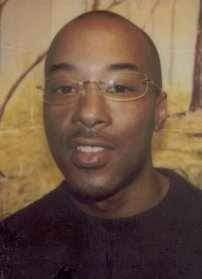
Mark Shervington is a New York City native and a former NLG-NYC Parole Preparation Project participant. During his 29-year prison odyssey he earned Paralegal and Legal Research Specialist certifications. As an experienced jailhouse lawyer, Mark was instrumental in, among other things, several successful challenges to the New York State Parole Board’s policies, practices, and determinations denying parole to deserving candidates. With the assistance of the NLG-NYC Parole Preparation Project, Mark was finally granted parole in 2015 at his tenth parole release interview. He currently serves as a member of the NLG Parole Preparation Project’s Advisory board and will be working with the project this spring as a Haywood Burns Fellow.
2015 Haywood Burns Fellows
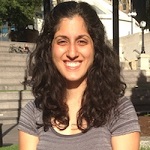 Azadeh Erfani is a second-year public interest scholar at Villanova School of Law. Before law school, Azadeh graduated from Bryn Mawr College and majored in Philosophy and Spanish. After obtaining a Masters degree in Philosophy, she completed a year of AmeriCorps service where she coordinated adult education and citizenship workshops. Azadeh subsequently provided direct legal services and outreach to low-income immigrants at the National Immigrant Justice Center. She ultimately became a Board of Immigration Appeals accredited representative and represented clients before the Department of Homeland Security. At Villanova, Azadeh has been an active board member of the NLG student chapter and the president of the Immigration Law Association. She has also volunteered for the Farmworker Legal Aid Clinic, the Clinic for Asylum, Refugee, and Emigrant Services. In Philadelphiashe has interned with HIAS Pennsylvania and Friends of Farmworkers. This summer, Azadeh will intern at the Legal Action Center of the American Immigration Council. Azadeh’s work will include holding the Customs and Border Protection (CBP) accountable for abuse of migrants at the southwest border, to establish a right to government-appointed counsel for children facing deportation, and/or to end family detention for recently arrived women and children seeking asylum.

Tyler Ingraham is a 2L at Western New England University School of Law. He is currently a co-organizer for the2015 National Lawyers Guild Northeast Regional Conference and was a writer for the National Lawyers Guild’s report 2014 on Zones for Economic Development and Employment in Honduras. Tyler has worked on collaborative projects with the Honduras Solidarity Network, EarthRights International, and the Institute for Justice and Democracy in Haiti through Lauren Carasik of the Western New England School of Law’s Human Rights Clinic. Tyler supports Springfield No One Leaves / Nadie Se Mude whenever he has a chance because they beat back the bank attack. Tyler looks forward to working with the Honduras Solidarity Network in Honduras in the winter of 2016, even though it means he will see less of his wonderful, surly, social-working partner Rachael.

Sochie Nnaemeka is a New Yorker born to Nigerian parents. She is currently a 1L at Georgetown University Law Center. As an undergraduate at Yale University, Sochie double majored in History and Women’s, Gender and Sexuality Studies. In 2008, she took time off from school to serve as a field organizer for the Obama campaign in Toledo, Ohio. Since graduating, she has spent the past five years talking to and organizing hundreds of students, clergy, workers, elected officials and the unemployed around issues of racial, social and economic justice. As a volunteer organizer in Miami, she organized within the casino industry to transform workplaces through unionization. As a political and community organizer with UNITE HERE, and a founding organizer of New Haven Rising, a community-based membership organization, she trained organizers, ran political campaigns for champions of social change, and built teams of residents committed to collective struggle. She successfully led a campaign securing a community benefits agreement between an underserved neighborhood in New Haven and a new developer that included living wage jobs for local residents and financial contributions to youth programming. Sochie plans to the study the law to explore the ways in which it can better protect, serve, and embolden working people. She looks forward to interning this summer at the Center for Popular Democracy in New York.
 Casey Shea was raised in Evergreen, Colorado and is a 2L at the University of Denver Law School. Casey has been active in the Public Interest Law Group at DU Law. During her first summer in law school, Casey interned at the Disability Rights Education and Defense Fund where she researched disproportionate application of school discipline against students with disabilities and students of color. During her 2L fall semester, Casey externed at the Civil Rights Education and Enforcement Center, and researched and investigated discrimination against people with disabilities in health care and other services. She is currently an intern at the Colorado Court of Appeals. Since graduating in Social Policy from Northwestern University, Casey was a fellow at El Pomar Foundation and the Outreach Director for Great Education Colorado, a non-profit education and advocacy group, where she helped build coalitions, educate, and organize for better and more equitable education funding. Outside of law school, she tutors young adults at the Bridge Project, and enjoys running and snowsports. With the support of the Haywood Burns Fellowship, Casey will be working with New York Lawyers for the Public Interest to advance equality and civil rights, particularly for people with disabilities.
 Chi-Ser Tran is a 2L at the Temple University Beasley School of Law. Chi-Ser is currently working with low-wage workers and immigrant youth through Temple Law’s Sheller Center for Social Justice Lawyering Clinic. She is also involved with the Temple Law NLG chapter and APALSA. Prior to law school, Chi-Ser was the Voting Rights Organizer at the Asian American Legal Defense and Education Fund (AALDEF), where she coordinated AALDEF’s multilingual Election Protection project – AALDEF’s and the nation’s biggest project of its kind to-date. She has worked with a wide variety of community leaders and organizations around the country to enforce and implement language access for limited English proficient Asian American voters. Last summer, Chi-Ser worked at the U.S. Department of Labor in the Philadelphia Regional Solicitor’s Office, where she assisted with various phases of litigation. With the support of the Haywood Burns Fellowship, Chi-Ser is excited to spend this summer at Community Legal Services of Philadelphia, where she will help enforce the legal rights of low-wage workers.
2014 Haywood Burns Fellows
Michelle Lewin is a first-year student at the CUNY School of Law. Born and raised in Atlanta, Michelle has been active in prison abolition and restorative justice work since 2005. After graduating from Sarah Lawrence College, Michelle began working for the Fortune Society in their Alternatives to Incarceration program, advocating for clients facing long-term felony convictions. Michelle joined the NLG in the fall of 2013, and has been working on the Parole Preparation Project with the Mass Incarceration Committee ever since. Outside of law school, Michelle is actively involved in her Brooklyn women’s group, and teaches workshops on consensus decision-making and collaborative leadership skills. As a NLG fellow, she will spend her summer with Common Law, a n anti-foreclosure organization in Queens, NY, committed to community lawyering and political and popular education.
Sallie (Zhiyan) Lin is a 1L at Santa Clara Law. She is active in the National Lawyers Guild on campus and will be the chapter co-president next school year. Sallie is also a part of her school’s Pro Bono Program and volunteers at the San Mateo County Superior Court Appropriate Dispute Resolution (ADR) and Legal Support Services Division. As an immigrant from China, she cares deeply about underserved populations, such as Asian Americans and Pacific Islanders, undocumented and working class immigrants. Sallie is determined to pursue a career dedicated to the advancement of civil and human rights. As a Haywood Burns Fellow, she will be working at the International Bridges to Justice (IBJ) in Beijing. The organization seeks to guarantee all citizens in developing countries the right to competent legal representation, the right to be protected from cruel and unusual punishment, and the right to a fair trial. In her spare time, Sallie enjoys cooking, attending seminars, and being politically involved. Michelle
Amelia Newman is a second-year law student at Northeastern University School of Law (NUSL). At NUSL, Michelle has been active in several student groups, including NLG and LALSA, has organized panels on fracking and human rights issues. She has also worked as a volunteer translator for Kids In Need of Defense (KIND), which provides legal services to unaccompanied children caught in US deportation proceedings, and for the Rich Coast Project, a NUSL alumna-founded project which works on land use and environmental issues in Costa Rica. Before law school, Michelle worked at the Lawyers’ Committee for Civil Rights Under Law on litigation, transactional, and policy projects in fair housing and fair lending, community development, and environmental justice. She also lived for a time in Santiago, Chile, volunteering with the nonprofit VE Global and implementing educational programming in social service institutions that house at-risk youth. With the support of the Haywood Burns Fellowship, Michelle will be working in Quito, Ecuador with lead plaintiffs’ attorney Pablo Farjado Mendoza and the Amazon Defense Coalition (Frente de Defensa de la Amazonia) on the Chevron-Texaco litigation, one of the biggest environmental cases ever brought against a multinational corporation. Read more about the case here: chevrontoxico.com.
Nadin Said is a second-year law student at the University of Denver, Sturm College of Law. She is a California Native and earned her Bachelor’s degree in Philosophy at California State Polytechnic University, Pomona. During her first summer in law school, Nadin worked as a Summer Associate for Dorsey and Whitney, LLP where she drafted memorandums regarding corporate and patent law, filed 501(c)(3) tax forms, and researched and assisted with contract litigations. This semester, she is clerking for a Judge in the 18th Judicial District in Colorado. Nadin is a Contributor to The Race to the Bottom Blog and was elected as the Managing Editor for the 2014-2015 academic year. She serves as a Staff Editor and the Technical Editor to the Sports and Entertainment Law Journal. She also founded the very first Middle Eastern and North African Law Society at the University of Denver. She serves on the board of the Latino Law Student Association, Black Law Student Association, and the National Women Law Students’ Organization. This summer, Nadin will be working on Panacagos v. Towery, a case involving the United States military violating activists’ constitutional rights. Amanda Schemkes is a 2L at Seattle University School of Law. Amanda came to the decision to attend law school because of her work as an animal rights activist. Through her experiences, she saw the need for greater legal resources for animal rights, environmental, and other activists who are targets of State repression because of their uncompromising dedication to protecting the earth and its inhabitants. In addition to representing activists, Amanda wants to work to proactively strengthen social justice movements through educating activists about their rights, doing legal research, and protecting themselves and their campaigns from corporate and government interference. She is excited to be working with the Civil Liberties Defense this summer because of all the amazing work they do to support and work with activist communities.
2013 Haywood Burns Fellows
Catherine Ady-Bell is a 2L at Western New England University School of Law. She volunteered as a legal observer with the Toronto-based Movement Defense Committee when the G20 summit came to town, and did legal support work on behalf of arrestees. While in law school, Catherine works as a volunteer organizer with Springfield No One Leaves, an anti-foreclosure housing rights group. She is an active member of her school’s NLG chapter, serving as treasurer. Catherine also serves on the board of the Rosenberg Fund for Children. In her spare time she chases her toddler around the house and hangs out with her partner. As a Haywood Burns Fellow, Catherine will work with Springfield No One Leaves on its Turn On The Lights campaign.
Ariel Johnson is a 2L at Loyola University Chicago School of Law. Born and raised in Chicago, she is active in the community working with various organizations that serve underrepresented youth. Ariel is also active in her law school as a writer for the Education Law and Policy Newsletter and community service chair for the Black Law Students Association. She plans to dedicate her time to working to improve the education system in this state, especially for our underprivileged youth in the city. Thus far, she has had the opportunity to extern in federal court, intern with Chicago Public Schools, and work on special education and juvenile justice initiatives at Equip for Equality. This summer, she will spend her time working with the Legal Assistance Foundation in their child and family law division.
Patrick Tyrrell is a first-year student at the City University of New York School of Law. A native Kansan, he has organized with animal rights, anti-war, and prison abolition campaigns since the early 2000s. After graduating from Marlboro College in 2008, he moved to Chicago where he worked predominantly with housing and immigration organizations. During the 2012 NATO summit, he joined the NLG Chicago chapter to develop an arrestee intake and police brutality tracking system. Outside of law school, Patrick develops web applications for Palestine Solidarity Legal Support and organizes Punk Rock Karaoke fundraisers for community organizations across the Northeast. Maggie Webster is a second-year student at Louisiana State University’s Paul M. Hebert Law Center. She became passionate about capital defense after seeing the HBO documentary Paradise Lost and began fundraising for the innocent men known as the West Memphis Three. While attending Millsaps College, she interned with the Office of Capital Defense Counsel, a division of the Mississippi State Public Defender and learned of the challenges associated with indigent defense. After returning to her home state of Louisiana, she worked with Innocence Project-New Orleans and with the Baton Rouge Capital Conflict Office, both offices serving the indigent. While not serving on her law school’s Student Bar Association Executive Board, or volunteering with the Baton Rouge Animal Shelter, she is honing her skills as a mean cajun cook.
2012 Haywood Burns Fellows
Khalid Samarrae, a Tulane Law student, assisted the Juvenile Justice Project of Louisiana in its efforts to transform the juvenile justice system of Louisiana into one that builds on the strengths of students, families, and communities to ensure children are given the greatest opportunity to grow and thrive. He gained experience working against the School-to-Prison Pipeline within a judicial, legislative, and grassroots context and helped to address juvenile justice issues such as: minors serving life without parole; unwarranted use of force by school security officers; conditions of confinement; and education reform within juvenile detention centers.
Tyler Whittenberg, also a Tulane Law student, worked as a legal intern with the Juvenile Justice Project of Louisiana. In an effort to address the early stages of the School-to-Prison Pipeline, he worked with the Recovery School District, students, parents and community members in order to minimize the number of students suspended or expelled and promote the implementation of Positive Behavior Interventions and Supports (PBIS).
Meghan Barner, a student at Lewis and Clark Law School in Portland, Oregon, worked on the Death Penalty Project at the recently-established Oregon Justice Resource Center. She’ll be conducting research and litigation assistance in capital appeals and policy-based research designed to aid repeal of the death penalty in Oregon.
Elizabeth Spellman, a student at Vermont Law School, worked with the Center on Race, Poverty & the Environment’s (CRPE) San Joaquin Valley office. Her work supported efforts to establish healthy, equitable, and just land-use and sustainable development practices that are accountable to and adequately serve very low income, rural communities of color. These efforts, which are identified and designed by impacted communities, utilize a variety of legal and community organizing tools to build community power and address persistent environmental inequality.
Bacilio Mendez II, a New York Law School student, worked in conjunction with the Law Office of Rankin & Taylor and the Center for Constitutional Rights to develop data visualization of the NYPD Stop, Question and Frisk Report Database. This will be done using Open Maps API and will culminate in a set of reports, published by the Guild, which practitioners will be able to reference and cite in court proceedings. You can connect with Bacilio at http://bacilio.com.